Residential Integrated Pest Management Services
Residential pest control refers to the management and prevention of pests in homes and residential
properties. It involves the identification, control, and elimination of various pests such as
insects, rodents, and other unwanted creatures that can pose a threat to human health, property, and
overall comfort.
Here are some key points to consider regarding residential pest control:
-
Pest Identification: Proper identification of the pest is crucial to determine the most
effective control methods. Different pests require different approaches for elimination.
-
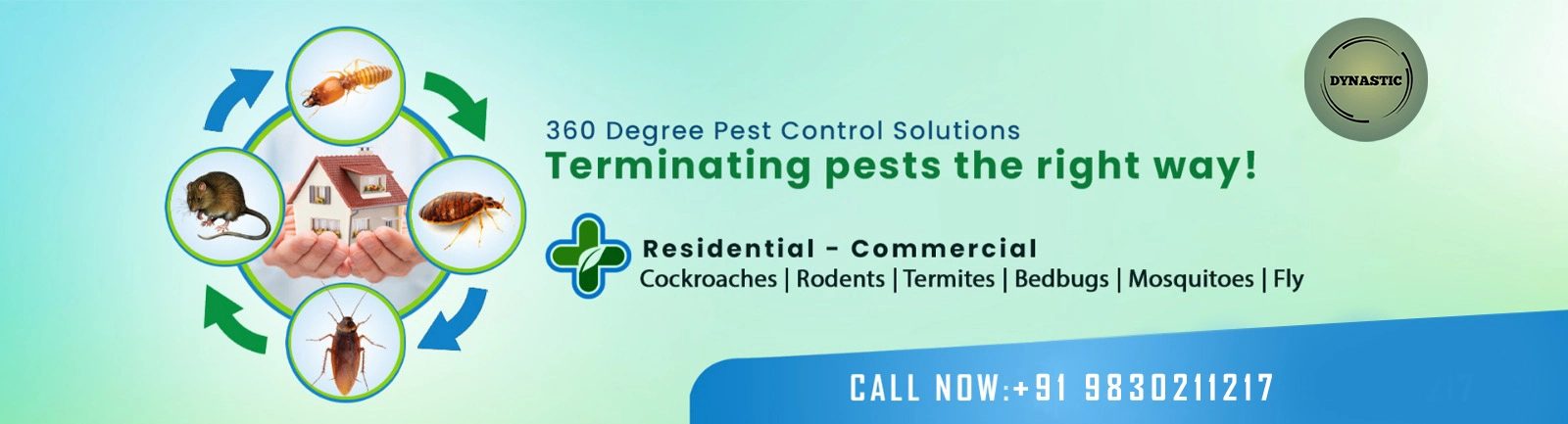
Common Residential Pests: Some common pests found in residential areas include ants,
cockroaches, termites, bed bugs, mosquitoes, rodents (rats and mice), spiders, and wasps.
-
Prevention: Preventive measures play a significant role in pest control. This includes sealing
cracks and crevices, keeping the premises clean and tidy, proper food storage, regular
maintenance, and eliminating potential breeding grounds.
-
Integrated Pest Management (IPM): IPM is an approach that combines various pest control methods
to effectively manage pests while minimizing risks to humans and the environment. It typically
includes a combination of preventive measures, pest monitoring, and the targeted use of
pesticides when necessary.
-
Professional Urban Integrated Pest Management Services: For severe or persistent infestations, it is advisable to
seek the assistance of professional Urban Integrated Pest Management Services. These experts have the knowledge,
experience, and equipment to identify and effectively treat pest problems in a safe and
efficient manner.
-
Chemical Treatments: When necessary, pest control professionals may use chemical treatments to
eliminate pests. These treatments should be carried out by trained professionals who follow
appropriate safety precautions and use environmentally friendly products whenever possible.
-
Eco-Friendly Alternatives: Many pest control companies now offer eco-friendly and non-toxic
alternatives to traditional chemical treatments. These options aim to minimize the impact on the
environment and reduce potential harm to humans and pets.
-
Regular Inspections: Regular inspections are essential to detect any signs of pest activity
early on. This allows for prompt action and prevents infestations from becoming more severe.
Remember, maintaining a clean and hygienic living environment, along with proactive pest prevention
measures, can go a long way in minimizing the risk of pests in residential areas. If you encounter
persistent or severe pest problems, it is best to consult with a professional pest control service
for effective and safe solutions.